
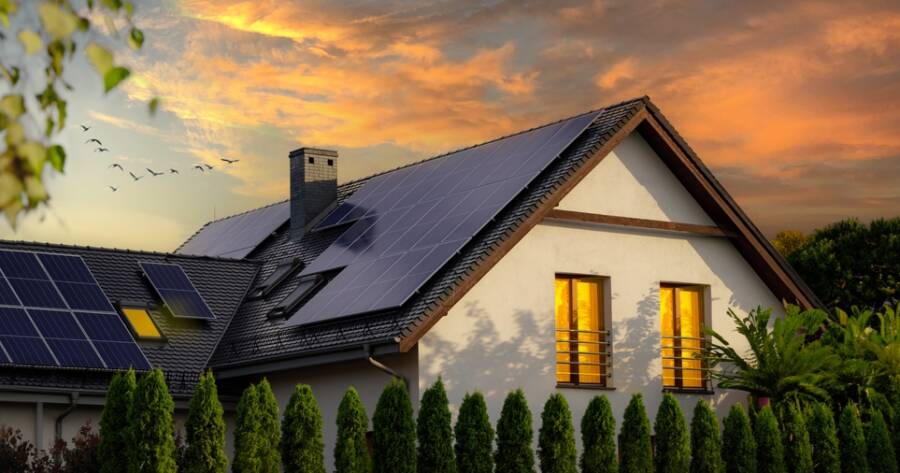
Solar panels are revolutionizing home energy savings by offering a cost-effective and environmentally friendly alternative to traditional power sources. With advancements in high-efficiency panels and strategic savings methods, homeowners can significantly reduce electricity bills while minimizing their carbon footprint. Understand the transformative potential of solar energy and how it can enhance both financial savings and sustainability.
The Rise of Solar Panels in Home Energy Savings
Solar panels have become a popular choice for homeowners looking to reduce their energy bills. Since 2008, significant investments by the U.S. Department of Energy have made solar energy more affordable, providing a cost-effective alternative to traditional energy sources (source). This shift is not only helping homeowners save money but also contributing to a cleaner environment by reducing carbon emissions.
Maximizing Efficiency with High-Performance Solar Panels
Efficiency is a key factor in maximizing the benefits of solar panels. High-efficiency panels, such as Maxeon’s 440-watt panel with 22.8% efficiency, convert a higher percentage of sunlight into electricity, leading to greater energy output and potential savings on energy bills.
Although these panels may have a higher upfront cost, they can produce more electricity, translating to significant savings over time. For instance, a system with Maxeon panels can save homeowners $65,437 on electric bills over 25 years compared to $60,271 with slightly less efficient panels (source).
Financial Benefits and Savings Strategies
Solar panels can significantly reduce electricity bills by replacing expensive utility power with self-generated solar power. Homeowners can save money by producing their own electricity, which often costs less per kWh than utility rates (source).
Financing options, such as solar loans or upfront cash payments, impact how savings are realized. With a solar loan, the combined cost of the loan payment and reduced utility bill can be less than the original utility bill. Paying upfront eliminates financing costs, allowing for long-term savings as electricity rates rise.
Enhancing Savings with Energy Efficiency and Storage
Additional savings can be achieved through energy efficiency measures, such as upgrading to Energy Star appliances, using LED lighting, and optimizing HVAC and water heater settings. These steps reduce overall electricity consumption, maximizing the use of solar-generated power (source).
Battery storage systems can store excess solar energy for use during low production periods, reducing reliance on the grid and enhancing savings. This is particularly beneficial in areas without 1-to-1 net metering.
Understanding Net Metering and Solar Payback
Net metering allows homeowners to earn credits for excess solar energy sent to the grid, further lowering electricity costs. Time-of-use plans can also reduce costs by shifting energy usage to off-peak hours with lower rates (source).
The solar payback period is the time it takes for savings to equal the initial investment cost. This period varies based on installation costs and annual savings, but solar panels typically offer significant savings over their 25-year lifespan.
Why You Should Learn More About Solar Panels Today
Solar panels offer a multitude of benefits, from reducing energy bills to contributing to environmental sustainability. By investing in high-efficiency panels and implementing energy-saving strategies, homeowners can maximize their financial savings and reduce their carbon footprint.
Understanding the various aspects of solar energy, such as net metering and energy storage, can further enhance these benefits. As solar technology continues to advance, now is an opportune time for homeowners to explore how solar panels can transform their energy consumption and financial savings.